

Are there any disadvantages of a natural stone vanity?
Hey there! As a supplier of natural stone vanities, I've seen firsthand the beauty and elegance these pieces can bring to a bathroom. They're like the rock - stars of bathroom fixtures, adding a touch of luxury and sophistication. But just like anything in life, natural stone vanities aren't all sunshine and rainbows. There are some disadvantages that you might want to know about before you make that big purchase.
1. Cost
Let's start with the elephant in the room: cost. Natural stone vanities are expensive. I mean, really expensive. The price of extracting, cutting, and polishing natural stone is high, and that cost gets passed on to you, the consumer. You're not just paying for a vanity; you're paying for a piece of the earth that's been transformed into a work of art.
For example, marble, one of the most popular choices for natural stone vanities, can be outrageously pricey. The rarer the type of marble, the higher the cost. And if you're looking for a custom - sized or intricately designed vanity, you can expect to pay even more. Compare that to other materials like Sintered Stone Bathroom Vanity, which are often more budget - friendly.
2. Maintenance
Maintenance is another biggie. Natural stone is a porous material. That means it can absorb liquids and stains easily. If you spill something like red wine, coffee, or even just plain old water on your natural stone vanity for too long, it can leave a permanent mark. You have to be super careful about what you put on it and clean up spills immediately.
Regular sealing is also a must. Sealing helps to protect the stone from stains and damage, but it's not a one - time thing. You'll need to seal your natural stone vanity every year or two, depending on the type of stone and how much use it gets. This adds to the long - term cost and hassle of owning a natural stone vanity. In contrast, a Wash Basin Side Cabinet made from other materials might require less intensive maintenance.
3. Durability
Despite its natural beauty, natural stone isn't as durable as you might think. It can be easily scratched and chipped. If you accidentally drop something heavy on it, like a hair dryer or a bottle of shampoo, you could end up with a crack or a chip in the stone. And once that happens, it can be difficult and expensive to repair.
In a busy household, where there's a lot of activity in the bathroom, the risk of damage to a natural stone vanity is relatively high. You have to be constantly on guard to prevent any mishaps. Some other materials are more resistant to scratches and chips, making them a better choice for high - traffic areas.
4. Weight
Natural stone is heavy. Really heavy. This can be a problem when it comes to installation. You need to make sure that your bathroom floor can support the weight of the vanity. If not, you might need to reinforce the floor, which adds to the cost and complexity of the installation process.
Moving a natural stone vanity can also be a nightmare. If you ever decide to renovate your bathroom or move to a new place, transporting the vanity safely can be a challenge. You'll likely need professional help, which means more expense.
5. Limited Design Options
While natural stone offers a unique and classic look, the design options can be somewhat limited. The pattern and color of natural stone are determined by nature, so you're not going to have as much control over the final appearance as you would with other materials.

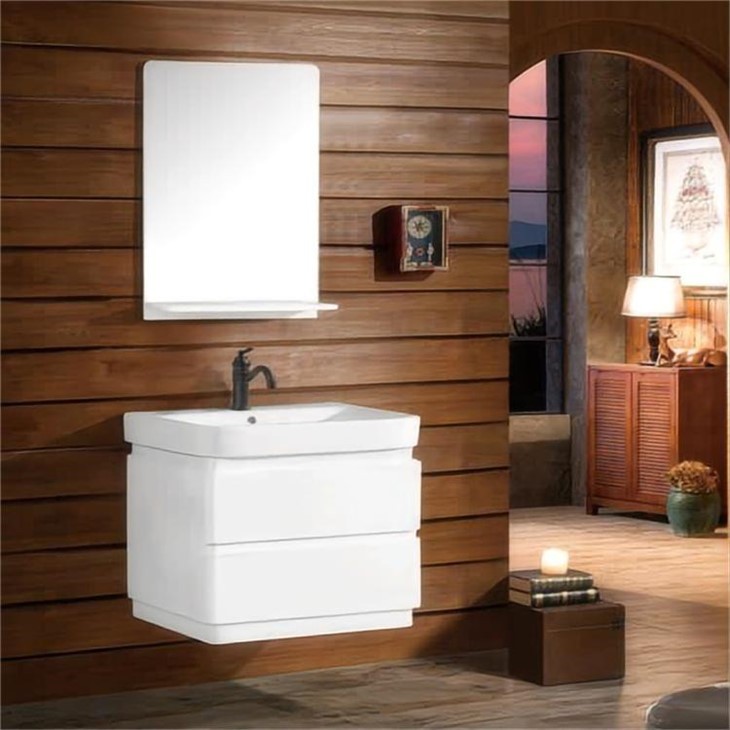
For example, if you have a very specific color scheme in mind for your bathroom, it might be difficult to find a natural stone vanity that matches perfectly. You might have to compromise on your design vision. On the other hand, with Black Marble Sink Top and other alternatives, there are often more options for customization.
6. Environmental Impact
The extraction of natural stone can have a significant environmental impact. Quarrying operations can cause deforestation, soil erosion, and water pollution. The energy required to cut, transport, and polish the stone also contributes to carbon emissions.
If you're someone who's environmentally conscious, you might want to consider the environmental footprint of a natural stone vanity. There are more sustainable alternatives available that can still give you a stylish bathroom look without the same level of environmental damage.
Should You Still Consider a Natural Stone Vanity?
Now, just because there are disadvantages doesn't mean you should completely rule out a natural stone vanity. If you have the budget, are willing to put in the time and effort for maintenance, and love the unique look of natural stone, then it could be the perfect choice for your bathroom.
But it's important to weigh the pros and cons carefully. Think about your lifestyle, your budget, and your long - term plans for your bathroom. There are plenty of other great options out there, like the ones I've mentioned above, that might be a better fit for you.
If you're still interested in learning more about natural stone vanities or want to explore other options, feel free to reach out. We're here to help you make the best decision for your bathroom. Whether you're looking for a high - end natural stone vanity or a more practical alternative, we've got you covered. Let's have a chat and see how we can turn your bathroom dreams into a reality.
References
- "The Truth About Natural Stone Countertops" - Stone Industry Magazine
- "Bathroom Vanity Materials: Pros and Cons" - Home Decor Journal
- "Environmental Impact of Stone Quarrying" - Environmental Research Institute