

What are some functional design ideas for a plywood bathroom vanity?
When designing a plywood bathroom vanity, functionality is key. As a seasoned plywood bathroom vanity supplier, I've witnessed firsthand how a well - designed vanity can transform a bathroom from ordinary to extraordinary. In this blog, I'll share some functional design ideas that not only enhance the usability of your vanity but also add a touch of style to your bathroom.
1. Storage Optimization
One of the primary functions of a bathroom vanity is to provide ample storage space. Plywood, being a versatile material, allows for various storage configurations.
Drawers with Dividers
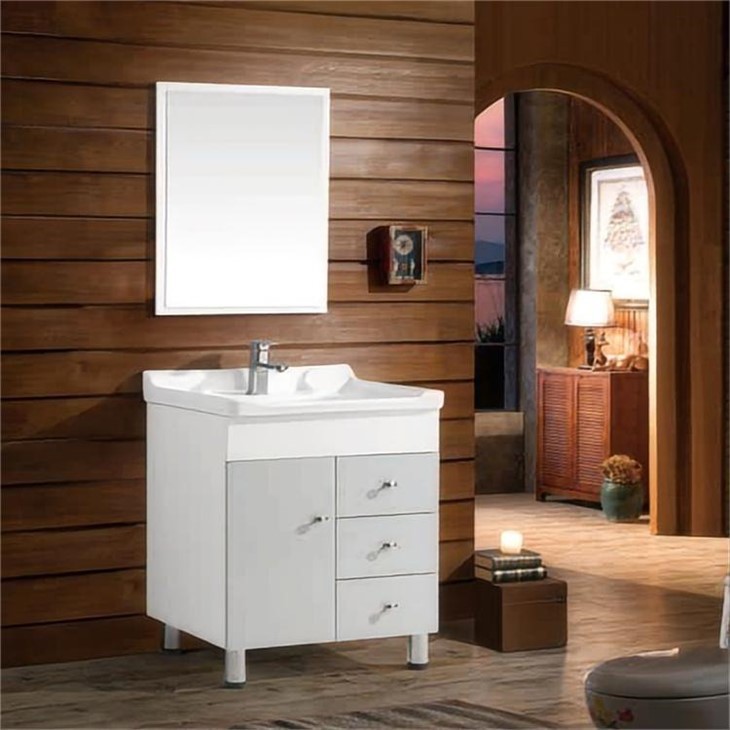
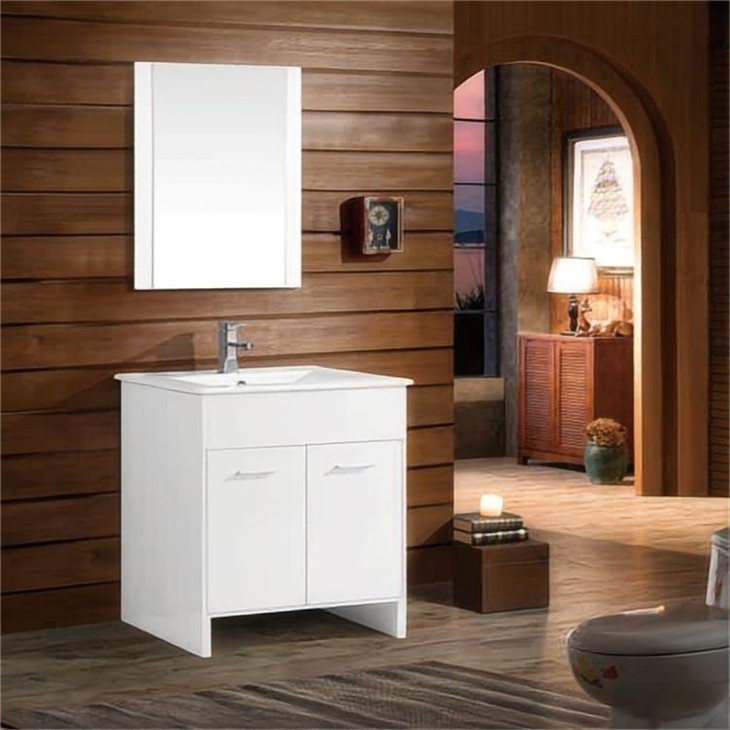
Drawers are a great way to keep smaller items organized. You can install dividers inside the drawers to separate items such as makeup, toothbrushes, and hair accessories. For example, a narrow divider can be used to keep makeup brushes upright, while a larger section can hold bottles of shampoo and conditioner. This way, you can easily find what you need without rummaging through a cluttered drawer.
Pull - Out Shelves
Pull - out shelves are another excellent storage solution. They are especially useful for storing larger items like towels, toilet paper rolls, and cleaning supplies. With a pull - out shelf, you can access the items at the back of the cabinet without having to remove everything in front. This maximizes the use of vertical space in the cabinet and makes it easier to keep your bathroom organized.
Hidden Storage
Consider incorporating hidden storage compartments into your vanity design. For instance, you can create a false drawer front that opens to reveal a small storage area behind it. This is a great place to store valuable or private items that you don't want on display. Hidden storage not only adds functionality but also gives your vanity a sleek and uncluttered appearance.
2. Countertop Design
The countertop of your plywood bathroom vanity is not only a functional surface but also a focal point of the vanity.
Material Selection
There are several materials you can choose from for your countertop. Natural Stone Vanity offers a luxurious and durable option. Natural stone, such as granite or quartzite, is heat - resistant, scratch - resistant, and easy to clean. It also adds a touch of elegance to your bathroom.
Sintered Stone Bathroom Vanity is another popular choice. Sintered stone is a man - made material that combines the best properties of natural stone and porcelain. It is highly resistant to stains, scratches, and UV rays, making it ideal for a bathroom environment.
Sink Integration
The sink is an integral part of the countertop design. Marble Top Vanity Basin provides a classic and elegant look. You can choose from a variety of sink styles, including undermount, top - mount, and vessel sinks. Undermount sinks offer a seamless look and are easy to clean, as there are no edges for dirt and grime to accumulate. Top - mount sinks are more traditional and are often easier to install. Vessel sinks add a modern and stylish touch to your vanity, but they may require more countertop space.
3. Lighting Design
Proper lighting is essential in a bathroom vanity. It not only helps you perform tasks such as shaving and applying makeup but also sets the mood in the bathroom.
Task Lighting
Install task lighting above the mirror. This can be in the form of wall - mounted sconces or a vanity light bar. Task lighting should provide bright, even light to eliminate shadows on your face. LED lights are a great choice for task lighting as they are energy - efficient and long - lasting.
Ambient Lighting
In addition to task lighting, consider adding ambient lighting to your vanity area. This can be achieved through recessed ceiling lights or a chandelier. Ambient lighting creates a warm and inviting atmosphere in the bathroom and can make the space feel more spacious.
Backlighting
Backlighting the mirror is a trendy design idea that adds a modern and sophisticated touch to your vanity. You can use LED strip lights behind the mirror to create a soft, glowing effect. Backlighting not only enhances the aesthetics of the vanity but also provides additional illumination.
4. Accessibility and Ergonomics
When designing a plywood bathroom vanity, it's important to consider accessibility and ergonomics.
Height Adjustment
The height of the vanity should be adjustable to accommodate users of different heights. A standard vanity height is around 32 - 36 inches, but you can customize the height based on your needs. For example, if you have a wheelchair user in your household, you may want to lower the vanity height to make it more accessible.
Easy - to - Reach Storage
Make sure that all storage compartments are easy to reach. Avoid placing items too high or too low in the cabinet. Drawers and shelves should open smoothly and without any resistance. You can also install soft - close hinges and drawer slides to prevent slamming and make the vanity more user - friendly.
Clearance Space
Leave enough clearance space in front of the vanity for easy movement. There should be at least 30 inches of clear space from the edge of the vanity to any other fixture or wall. This ensures that you can comfortably use the vanity without feeling cramped.
5. Style and Aesthetics
While functionality is important, the style and aesthetics of the plywood bathroom vanity should not be overlooked.
Color Scheme
Choose a color scheme that complements the overall design of your bathroom. Plywood can be stained or painted in a variety of colors, allowing you to create a custom look. Light - colored vanities can make the bathroom feel more spacious, while dark - colored vanities add a touch of elegance and sophistication.
Hardware Selection
The hardware on the vanity, such as handles and knobs, can have a big impact on the overall style. You can choose from a variety of materials, including stainless steel, brass, and chrome. The hardware should match the style of the vanity and the rest of the bathroom fixtures.
Cabinet Design
The design of the cabinet doors and drawers can also enhance the aesthetics of the vanity. You can choose from different door styles, such as flat panel, shaker, or raised panel. Each style has its own unique look and can add character to your vanity.
In conclusion, a well - designed plywood bathroom vanity should combine functionality, style, and accessibility. By incorporating these design ideas, you can create a vanity that meets your needs and enhances the beauty of your bathroom. If you're interested in purchasing a plywood bathroom vanity or discussing custom design options, I encourage you to reach out to me. I'm here to help you create the perfect vanity for your bathroom.
References
- Bathroom Design Trends: A Comprehensive Guide. Bathroom Design Magazine.
- The Art of Storage in Bathroom Vanities. Storage Solutions Journal.
- Lighting for Bathrooms: Best Practices. Lighting Design Quarterly.