

What are the different types of wood used for washroom vanities?
Hey there! As a washroom vanity supplier, I've seen firsthand the huge impact that the type of wood used can have on a vanity's look, durability, and price. In this blog, I'm gonna break down the different types of wood commonly used for washroom vanities, so you can make an informed decision for your next project.
Pine
Pine is a popular choice for washroom vanities, and it's not hard to see why. It's a softwood that's readily available, making it affordable compared to some other options. Pine has a light color with a distinct grain pattern that can add a rustic or country - style charm to your washroom.
One of the great things about pine is its workability. It's easy to cut, shape, and sand, which means it can be crafted into a variety of vanity designs. Whether you're looking for a simple, straightforward vanity or something with more intricate details, pine can handle it.
However, pine is a softwood, which means it's more prone to scratches and dents compared to hardwoods. In a high - traffic washroom, this could be a bit of a concern. But if you're okay with the natural wear and tear adding to the character of your vanity, or if you plan to use a good quality finish to protect it, pine can still be an excellent choice. You can also check out our PVC Wall Cabinet for some additional storage ideas in your washroom.
Oak
Oak is a classic hardwood that's been used in furniture - making for centuries. It's known for its strength, durability, and beautiful grain patterns. There are two main types of oak that are commonly used for washroom vanities: red oak and white oak.
Red oak has a slightly reddish - brown color and a more open grain pattern. It's a bit less expensive than white oak and is often chosen for its bold appearance. It takes stains well, so you can customize the color of your oak vanity to match your washroom decor.
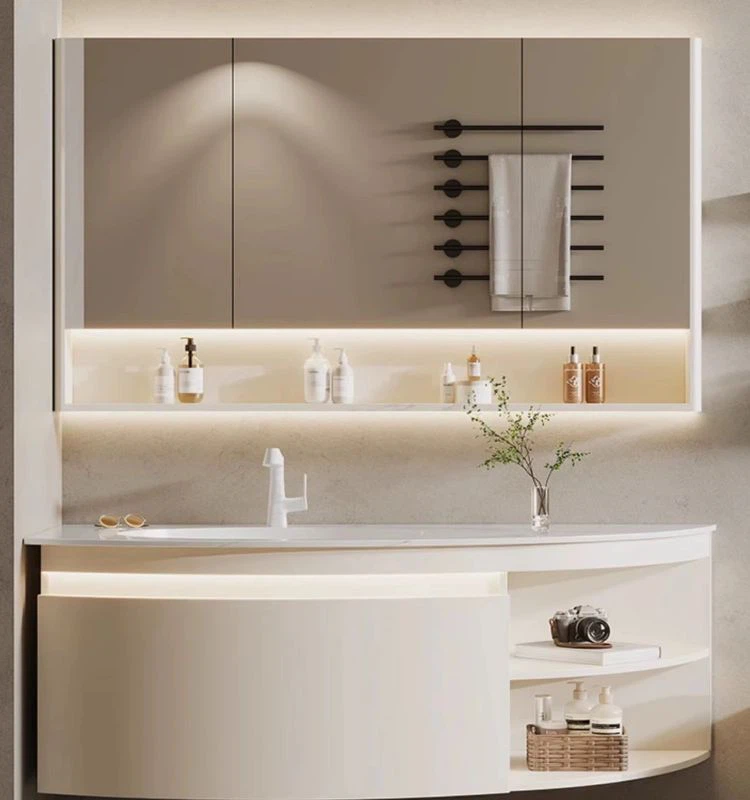
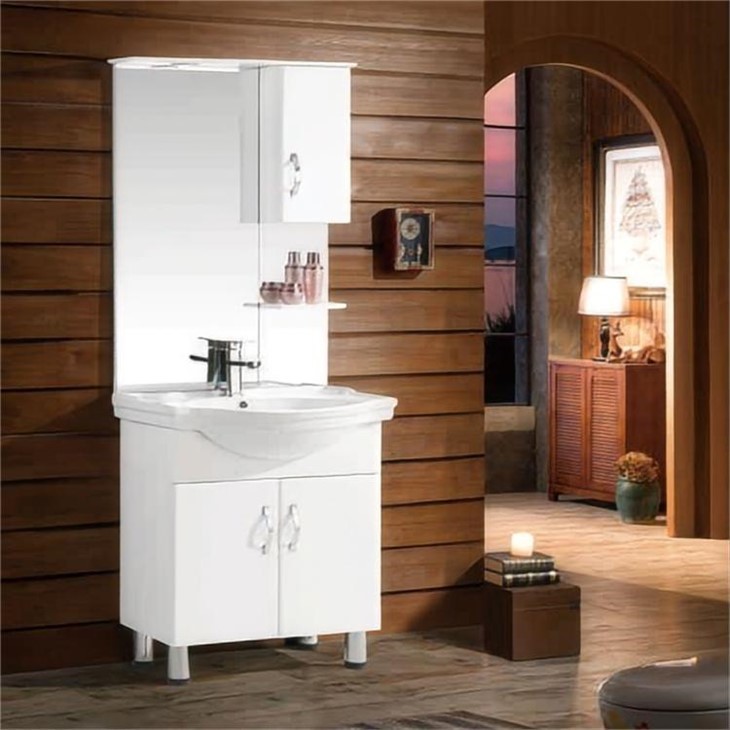
White oak, on the other hand, has a more subtle, golden - brown color and a tighter, more uniform grain. It's more resistant to moisture and decay than red oak, which makes it a great choice for washrooms. White oak is also more expensive, but its durability and elegant look make it worth the investment.
An oak vanity can add a touch of sophistication to any washroom. It's a great option if you're looking for a long - lasting piece of furniture that will stand the test of time. And if you're into a more traditional style, an oak vanity paired with our American Style four legs Bathroom Vanity can create a cohesive and stylish look.
Maple
Maple is another popular hardwood for washroom vanities. It has a light, creamy color that can brighten up a washroom and give it a clean, contemporary look. Maple has a fine, uniform grain that gives it a smooth and elegant appearance.
One of the advantages of maple is its hardness. It's resistant to scratches and dents, which makes it a great choice for a high - use washroom. It's also very stable, meaning it won't warp or shrink as easily as some other woods.
Maple is easy to stain and paint, so you can customize the color of your vanity to suit your taste. Whether you want a natural maple finish or a bold, painted look, maple can accommodate your design preferences. If you want to complement your maple vanity with some European - inspired pieces, you might want to check out our European Bathroom Furniture.
Cherry
Cherry wood is known for its rich, warm color and beautiful grain. It starts off with a light pinkish - brown hue and deepens to a rich, reddish - brown as it ages and is exposed to sunlight. This natural aging process gives cherry wood a unique and charming patina.
Cherry is a hardwood, so it's durable and can withstand the wear and tear of a washroom environment. It has a smooth texture and takes finishes very well, which means you can enhance its natural beauty with a clear coat or a stain.
A cherry vanity can add a touch of luxury and elegance to your washroom. It's a bit more expensive than some of the other woods on this list, but its beauty and timeless appeal make it a popular choice for high - end washroom renovations.
Mahogany
Mahogany is a premium hardwood that's often associated with luxury and elegance. It has a deep, rich color that ranges from reddish - brown to dark brown, and it has a straight, fine grain that gives it a smooth and sophisticated look.
Mahogany is very durable and resistant to rot and decay, which makes it an excellent choice for a washroom vanity. It also has a natural resistance to insects, so you don't have to worry about pests damaging your vanity.
However, mahogany is a relatively expensive wood, and it can be a bit more difficult to work with compared to some other woods. But if you're looking for a truly high - end, luxurious washroom vanity, mahogany is definitely a great option.
MDF (Medium - Density Fiberboard)
MDF is not a natural wood, but it's worth mentioning because it's commonly used in washroom vanity construction. It's made from wood fibers that are bonded together with resin under high pressure.
One of the main advantages of MDF is its smooth, uniform surface. It's easy to paint and can be used to create a variety of modern, sleek vanity designs. MDF is also less expensive than solid wood, which makes it a budget - friendly option.
However, MDF is not as durable as solid wood. It can swell and warp if it gets wet, so it needs to be properly sealed and protected in a washroom environment. If you're on a tight budget and don't mind taking extra precautions to protect your vanity, MDF can be a good choice.
Plywood
Plywood is another engineered wood product that's often used for washroom vanities. It's made by gluing together thin layers of wood veneer, with the grain of each layer running perpendicular to the next. This construction gives plywood strength and stability.
Plywood is more resistant to warping and splitting than solid wood, which makes it a good choice for a washroom vanity. It's also less expensive than some solid woods and can be used in a variety of designs.
There are different grades of plywood available, so it's important to choose a high - quality plywood for your washroom vanity. Look for plywood that has been treated to resist moisture and decay.
Making the Right Choice
When choosing the type of wood for your washroom vanity, there are a few things to consider. First, think about your budget. Some woods, like mahogany and cherry, are more expensive than others. If you're on a tight budget, pine or MDF might be better options.
Next, consider the style of your washroom. Do you want a rustic look? Then pine or oak might be a good fit. If you're going for a modern, contemporary look, maple or MDF could be the way to go.
Durability is also important, especially in a washroom where the vanity will be exposed to moisture and humidity. Hardwoods like oak, maple, and cherry are more durable than softwoods like pine. And if you're worried about moisture, engineered woods like plywood or properly sealed MDF can also be good choices.
Finally, think about the maintenance. Some woods require more maintenance than others. For example, wood that's not properly sealed can absorb moisture and warp. Make sure you're willing to put in the effort to keep your vanity looking its best.
Let's Talk!
If you're in the market for a washroom vanity and need more information about the different types of wood or our products, I'd love to hear from you. We offer a wide range of washroom vanities made from different types of wood to suit your needs and budget. Whether you're a homeowner looking to renovate your washroom or a contractor working on a project, we can help you find the perfect vanity. So, don't hesitate to reach out and start a conversation about your vanity needs.
References
- Wood Database: A comprehensive resource for information on different types of wood.
- Home Improvement Magazines: Many magazines offer in - depth articles on wood selection for furniture.