

What materials are used for small washroom vanities?
When it comes to designing a small washroom, vanities play a crucial role in both functionality and aesthetics. As a seasoned supplier of small washroom vanities, I've witnessed firsthand the diverse range of materials used in crafting these essential fixtures. In this blog, I'll explore the most common materials for small washroom vanities, their characteristics, advantages, and considerations, helping you make an informed decision for your next project.
Wood
Wood is a classic and timeless material for washroom vanities, offering warmth, natural beauty, and versatility. It can be crafted into various styles, from traditional to modern, and stained or painted to match any decor scheme.
Hardwood
Hardwoods such as oak, maple, cherry, and walnut are popular choices for small washroom vanities due to their durability, strength, and resistance to wear and tear. They have a tight grain pattern, which makes them less prone to warping and cracking, and they can withstand the moisture and humidity typically found in washrooms. Hardwood vanities can be finished with a clear coat to showcase the natural beauty of the wood or painted in a variety of colors for a more customized look.
One of the advantages of hardwood vanities is their longevity. With proper care and maintenance, a hardwood vanity can last for decades, making it a worthwhile investment. However, hardwood is generally more expensive than other materials, and it may require periodic refinishing to keep it looking its best.
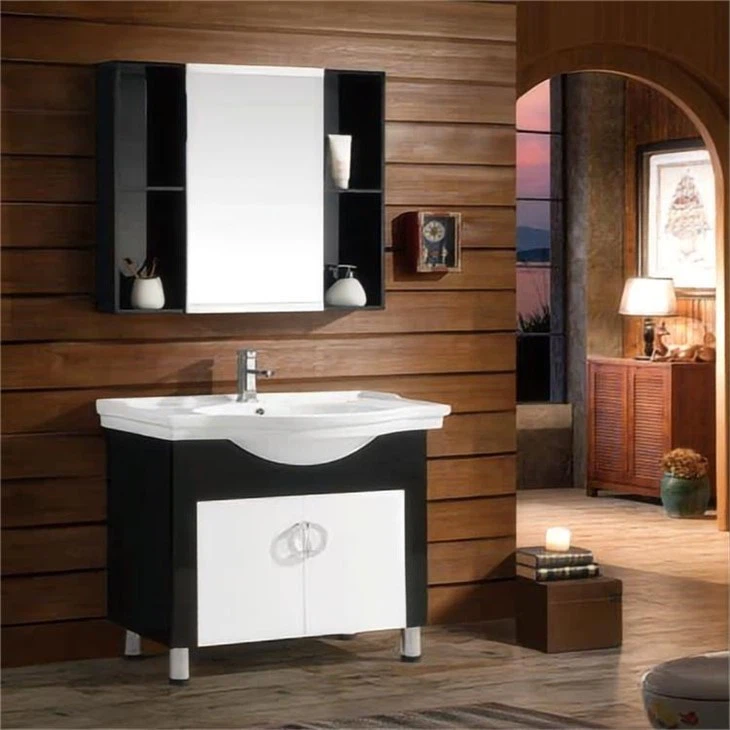

Plywood
Plywood is a cost-effective alternative to solid hardwood. It is made by gluing together multiple layers of thin wood veneers, with the grain of each layer running perpendicular to the next. This construction gives plywood strength and stability, and it is less likely to warp or crack than solid wood.
Plywood vanities are often used in budget-friendly or mass-produced washroom fixtures. They can be finished with a veneer or laminate to mimic the look of solid wood, or painted for a more contemporary appearance. While plywood is not as durable as solid hardwood, it can still provide a long-lasting and attractive option for small washrooms.
MDF (Medium-Density Fiberboard)
MDF is a composite material made from wood fibers that are bonded together with resin under high pressure and heat. It has a smooth, uniform surface that is easy to paint or laminate, making it a popular choice for modern and contemporary washroom vanities.
MDF is less expensive than hardwood and plywood, and it can be cut and shaped easily, allowing for more intricate designs. However, MDF is not as moisture-resistant as solid wood or plywood, and it can swell or warp if exposed to excessive water. To prevent this, MDF vanities should be sealed with a waterproof finish and used in areas with good ventilation.
Laminate
Laminate is a synthetic material that consists of a paper or fabric layer that is impregnated with resin and bonded to a substrate, such as plywood or MDF. It is available in a wide range of colors, patterns, and textures, including wood grain, stone, and marble looks, making it a versatile option for small washroom vanities.
One of the main advantages of laminate is its affordability. It is generally less expensive than solid wood or natural stone, and it can provide a similar aesthetic at a fraction of the cost. Laminate is also easy to clean and maintain, and it is resistant to scratches, stains, and moisture.
However, laminate is not as durable as some other materials, and it may chip or peel over time, especially in high-traffic areas. It is also important to choose a high-quality laminate that is specifically designed for use in washrooms to ensure its longevity.
Stone
Stone is a luxurious and elegant material for small washroom vanities. It offers a natural beauty and durability that can enhance the overall look and feel of any washroom.
Granite
Granite is a popular choice for stone vanities due to its strength, durability, and resistance to heat, scratches, and stains. It is available in a wide range of colors and patterns, from classic black and white to more exotic shades of red, green, and blue.
Granite vanities can be polished to a high shine for a sleek and modern look or left with a honed finish for a more rustic or natural appearance. They are also relatively easy to clean and maintain, requiring only a mild soap and water solution to keep them looking their best.
However, granite is a heavy material, and it may require additional support to be installed in a small washroom. It is also more expensive than other materials, and it may require professional installation to ensure its proper fit and alignment.
Marble
Marble is another luxurious option for stone vanities. It has a timeless beauty and elegance that can add a touch of sophistication to any washroom. Marble is available in a variety of colors, including white, black, gray, and pink, and it often features unique veining patterns that make each piece one-of-a-kind.
Like granite, marble is durable and resistant to heat, but it is more porous and prone to staining than granite. To prevent staining, marble vanities should be sealed regularly and cleaned with a pH-neutral cleaner. Marble is also more expensive than granite, and it may require more maintenance to keep it looking its best.
Quartz
Quartz is a man-made material that is composed of crushed quartz crystals and resin. It is engineered to mimic the look and feel of natural stone, while offering superior durability and performance.
Quartz vanities are available in a wide range of colors and patterns, and they are non-porous, making them resistant to stains, scratches, and bacteria. They are also easy to clean and maintain, and they do not require sealing like natural stone.
One of the advantages of quartz vanities is their consistency. Unlike natural stone, which can vary in color and pattern from slab to slab, quartz is manufactured to have a uniform appearance, ensuring a seamless and cohesive look in your washroom. However, quartz is generally more expensive than other materials, and it may not have the same natural beauty and character as granite or marble.
Glass
Glass is a modern and contemporary material that can add a touch of elegance and sophistication to small washroom vanities. It is available in a variety of colors, thicknesses, and finishes, allowing for a wide range of design possibilities.
Clear Glass
Clear glass is a popular choice for washroom vanities because it creates a sense of openness and transparency, making small washrooms appear larger and more spacious. It can be used for the countertop, the basin, or the cabinet doors, and it can be combined with other materials, such as wood or metal, for a more eclectic look.
Clear glass is easy to clean and maintain, and it is resistant to stains and scratches. However, it can be fragile and may require special care to prevent breakage.
Frosted Glass
Frosted glass is a more private option for washroom vanities. It has a translucent finish that obscures the view while still allowing light to pass through, creating a soft, diffused glow. Frosted glass can be used for cabinet doors or partitions to add a touch of privacy and elegance to the washroom.
Frosted glass is also easy to clean and maintain, and it is less likely to show fingerprints and smudges than clear glass. However, it may not be as durable as other materials, and it may require occasional cleaning to remove any buildup of soap scum or mineral deposits.
Colored Glass
Colored glass can be used to add a pop of color and personality to small washroom vanities. It is available in a variety of hues, from bold and bright to subtle and muted, and it can be used for the countertop, the basin, or the cabinet doors.
Colored glass can create a unique and eye-catching focal point in the washroom, and it can be coordinated with the other elements of the decor to create a cohesive look. However, colored glass may be more expensive than clear or frosted glass, and it may require special care to prevent fading or discoloration over time.
Metal
Metal is a versatile and durable material that can be used in small washroom vanities to add a modern and industrial touch. It is available in a variety of finishes, including stainless steel, chrome, brass, and copper, each with its own unique look and characteristics.
Stainless Steel
Stainless steel is a popular choice for metal vanities due to its strength, durability, and resistance to corrosion and stains. It has a sleek, modern appearance that can complement a variety of decor styles, from contemporary to minimalist.
Stainless steel vanities are easy to clean and maintain, and they are often used in commercial or high-traffic washrooms. However, they can be prone to fingerprints and smudges, so they may require regular cleaning to keep them looking their best.
Chrome
Chrome is a shiny, reflective finish that is commonly used on metal fixtures and hardware. It has a classic, timeless look that can add a touch of elegance to any washroom.
Chrome vanities are resistant to corrosion and stains, and they are easy to clean. However, they can be more expensive than other finishes, and they may require special care to prevent scratching and damage.
Brass
Brass is a warm, golden metal that has a rich, luxurious appearance. It is often used in traditional or vintage-style washroom vanities to add a touch of old-world charm.
Brass vanities can develop a patina over time, which can add to their character and uniqueness. However, brass is a softer metal than stainless steel or chrome, and it may be more prone to scratching and denting. It also requires regular polishing to maintain its shine.
Copper
Copper is a unique and distinctive metal that has a warm, reddish-brown color. It is often used in rustic or industrial-style washroom vanities to add a touch of natural beauty and character.
Copper vanities can develop a patina over time, which can give them a weathered, antique look. However, copper is a reactive metal, and it may require special care to prevent tarnishing and corrosion. It is also more expensive than other metals, and it may not be as widely available.
Conclusion
In conclusion, there are many materials available for small washroom vanities, each with its own advantages and considerations. When choosing a material for your small washroom vanity, it is important to consider your budget, the style of your washroom, and your personal preferences. Whether you prefer the natural beauty of wood, the elegance of stone, the modern look of glass, or the industrial feel of metal, there is a material that can meet your needs and enhance the functionality and aesthetics of your small washroom.
As a supplier of small washroom vanities, I offer a wide range of products made from different materials, including Unique Vanity Cabinets, Nordic Style Cabinet, and Glass Wash Basin with Cabinet. If you are interested in learning more about our products or would like to discuss your specific requirements, please feel free to contact us. We look forward to working with you to create the perfect small washroom vanity for your space.
References
- "Bathroom Vanity Materials: A Comprehensive Guide." The Spruce.
- "Choosing the Right Material for Your Bathroom Vanity." HomeAdvisor.
- "The Best Materials for Bathroom Vanities." Bob Vila.