

Are there any noise - reducing features in ceramic basin vanities?
Are there any noise - reducing features in ceramic basin vanities?
As a supplier of ceramic basin vanities, I often encounter customers who are concerned about the noise levels in their bathrooms. Noise can be a significant annoyance, especially in a space where you want to relax and unwind. So, the question of whether ceramic basin vanities have noise - reducing features is a valid one that we'll explore in this blog.
Understanding the Sources of Noise in Bathroom Vanities
Before delving into the noise - reducing features, it's essential to understand where the noise in bathroom vanities typically comes from. The most common sources include the water flow from the faucet into the basin, the movement of cabinet doors and drawers, and the sound of items being placed on the vanity top.
When water hits the ceramic basin, it can create a splashing sound. This sound can be amplified if the water pressure is high or if the shape of the basin causes the water to splash more vigorously. Similarly, opening and closing cabinet doors and drawers can produce creaking and slamming noises, which can be quite loud and disturbing.
Noise - Reducing Features in Ceramic Basin Vanities
The Design of the Ceramic Basin
The design of the ceramic basin itself can play a crucial role in reducing noise. A well - designed basin is shaped in a way that minimizes the splashing of water. For example, some basins have a curved or sloped interior surface. This design helps to direct the water flow smoothly towards the drain, rather than causing it to splash out in all directions. As a result, the splashing sound is significantly reduced.
Our ceramic basins are carefully crafted with a focus on both aesthetics and functionality. The shape and contour of the basin are engineered to optimize water flow, ensuring that the noise from water splashing is kept to a minimum.
Soft - Closing Mechanisms
One of the most effective noise - reducing features in modern bathroom vanities is the use of soft - closing mechanisms for cabinet doors and drawers. Our American Style four legs Bathroom Vanity and White Freestanding Vanity Unit come equipped with these mechanisms.
Soft - closing hinges and drawer slides slow down the movement of the doors and drawers as they approach the closed position. This eliminates the loud slamming noise that is often associated with traditional cabinet hardware. Instead of a sudden thud, the doors and drawers close gently and quietly, creating a more peaceful bathroom environment.
Sound - Insulating Materials
In some of our high - end ceramic basin vanities, we incorporate sound - insulating materials. These materials are placed between the cabinet walls and can absorb and dampen the sound. For instance, a layer of foam insulation can be used to line the interior of the cabinet. This helps to reduce the noise from items moving inside the cabinet, as well as any external noises that might penetrate the cabinet.
Our PVC Wall Cabinet also benefits from this sound - insulating technology. The PVC material itself has some natural sound - dampening properties, and when combined with additional insulation, it can significantly reduce noise levels.
Benefits of Noise - Reducing Features
The presence of noise - reducing features in ceramic basin vanities offers several benefits. Firstly, it enhances the overall user experience. A quiet bathroom is a more relaxing and comfortable place to be. Whether you're brushing your teeth in the morning or taking a long, luxurious bath in the evening, the absence of loud noises can make the experience more enjoyable.
Secondly, it can increase the value of your property. Homes with well - designed and quiet bathrooms are often more attractive to potential buyers. The investment in noise - reducing features can pay off in the long run when it comes to selling your property.
Finally, it shows that you pay attention to detail and quality. By choosing a ceramic basin vanity with noise - reducing features, you're demonstrating your commitment to creating a high - quality and functional space in your home.
Choosing the Right Ceramic Basin Vanity for Noise Reduction
When selecting a ceramic basin vanity with noise - reducing features, there are a few key factors to consider. Firstly, look for vanities with well - designed basins. Check the shape and contour to ensure that it minimizes water splashing.

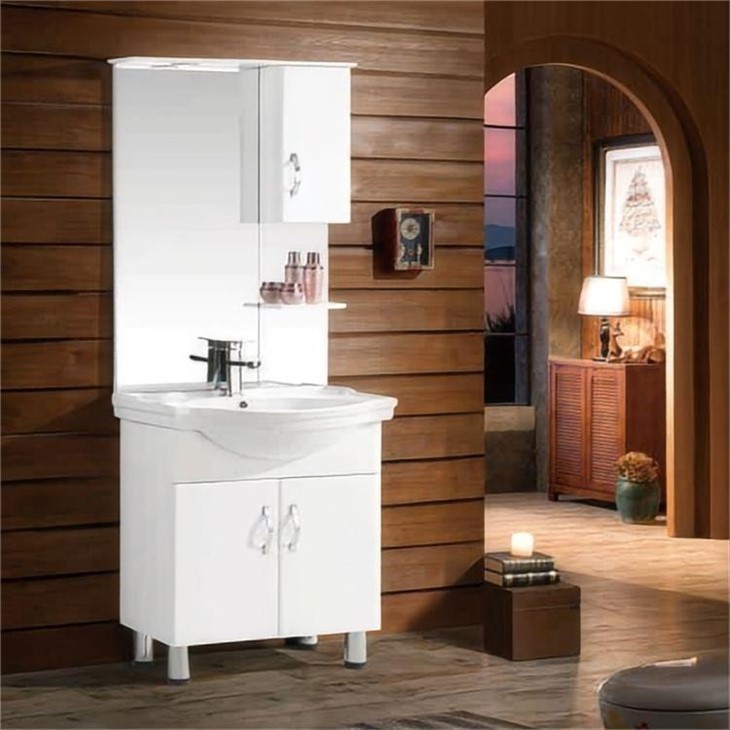
Secondly, pay attention to the hardware. Soft - closing hinges and drawer slides are a must - have for quiet operation. You can test the doors and drawers before purchasing to see how smoothly they open and close.
Finally, consider the use of sound - insulating materials. While not all vanities will have this feature, if you're particularly sensitive to noise, it's worth investing in a model that does.
As a supplier, we're committed to providing our customers with high - quality ceramic basin vanities that offer excellent noise - reducing features. We understand the importance of a quiet and comfortable bathroom, and we strive to meet the needs of our customers in this regard.
Conclusion
In conclusion, yes, there are indeed noise - reducing features in ceramic basin vanities. From the design of the ceramic basin to the use of soft - closing mechanisms and sound - insulating materials, modern vanities are engineered to minimize noise. These features not only enhance the user experience but also add value to your property.
If you're in the market for a new ceramic basin vanity and are interested in learning more about our products with noise - reducing features, we invite you to get in touch. We're happy to assist you in choosing the right vanity for your bathroom and answering any questions you may have. Whether you're looking for the American Style four legs Bathroom Vanity, White Freestanding Vanity Unit, or PVC Wall Cabinet, we have a wide range of options to suit your needs.
References
- Bathroom Vanity Design: Principles and Practices. Authors: [Author Names]. Publisher: [Publisher Name], [Year]
- Acoustics in Residential Buildings. Authors: [Author Names]. Publisher: [Publisher Name], [Year]