

Can I mix and match high end vanity unit components?
As a supplier of high-end vanity units, I often encounter customers who are curious about the possibility of mixing and matching components. This approach can offer a unique and personalized touch to your bathroom design, but it also comes with its own set of considerations. In this blog post, I'll explore the ins and outs of mixing and matching high-end vanity unit components, providing you with the information you need to make an informed decision.
The Appeal of Mixing and Matching
One of the primary reasons people consider mixing and matching vanity unit components is the desire for a customized look. Every bathroom has its own unique style, size, and layout, and a one-size-fits-all approach may not always be the best solution. By selecting individual components, you can create a vanity unit that perfectly suits your specific needs and preferences.
For example, you might choose a Solid Wood Vanity Units For Bathrooms for its durability and natural beauty, then pair it with a modern Floating Glass Vanity top to add a touch of contemporary elegance. Or, you could opt for an Industrial Style Bathroom Cabinet to create a rugged, urban look, and complement it with a sleek, minimalist sink.
Another advantage of mixing and matching is the ability to control your budget. High-end vanity units can be expensive, but by choosing individual components, you can focus your spending on the elements that are most important to you. For instance, you might invest in a high-quality cabinet and save money by selecting a more affordable sink or countertop.
Considerations When Mixing and Matching
While mixing and matching can be a great way to create a unique bathroom design, it's important to approach the process with caution. Here are some key considerations to keep in mind:
Compatibility
The first and most important consideration is compatibility. Not all components are designed to work together, so it's essential to ensure that the pieces you choose are compatible in terms of size, style, and functionality. For example, you need to make sure that the sink you select fits properly into the countertop, and that the cabinet has enough space to accommodate the plumbing.
Style
When mixing and matching components, it's important to maintain a cohesive style throughout the bathroom. This doesn't mean that all the components have to be identical, but they should share some common design elements, such as color, texture, or material. For example, if you choose a wooden cabinet, you might want to select a sink or countertop that has a similar wood finish or a complementary color.
Quality
As a high-end vanity unit supplier, I always recommend investing in high-quality components. While it may be tempting to save money by choosing cheaper options, low-quality components can quickly wear out or break, leading to costly repairs or replacements. By investing in high-quality components, you can ensure that your vanity unit will last for many years to come.
Installation
Mixing and matching components can also make the installation process more complex. It's important to hire a professional installer who has experience working with high-end vanity units and can ensure that the components are installed correctly. A professional installer can also help you troubleshoot any compatibility issues that may arise during the installation process.
Tips for Mixing and Matching High End Vanity Unit Components
Here are some tips to help you mix and match high-end vanity unit components successfully:
Start with a Plan
Before you start shopping for components, it's important to have a clear plan in mind. This includes determining the size and layout of your vanity unit, as well as the style and color scheme you want to achieve. You can use a bathroom design software or consult with a professional designer to help you create a plan.
Choose a Focal Point
To create a cohesive look, it's a good idea to choose a focal point for your vanity unit. This could be a statement sink, a unique countertop, or a stylish cabinet. Once you have chosen a focal point, you can select the other components to complement it.
Mix and Match Textures and Materials
One of the keys to creating a successful mix-and-match look is to mix and match textures and materials. For example, you could pair a smooth, polished countertop with a rough, textured cabinet, or a glass sink with a wooden vanity. This can add visual interest and depth to the vanity unit.
Pay Attention to Details
When mixing and matching components, it's important to pay attention to the details. This includes things like the hardware, such as handles and knobs, as well as the plumbing fixtures, such as faucets and drains. These small details can make a big difference in the overall look and feel of the vanity unit.
Conclusion
Mixing and matching high-end vanity unit components can be a great way to create a unique and personalized bathroom design. However, it's important to approach the process with caution and ensure that the components you choose are compatible, stylish, and of high quality. By following the tips and considerations outlined in this blog post, you can create a vanity unit that is both beautiful and functional.
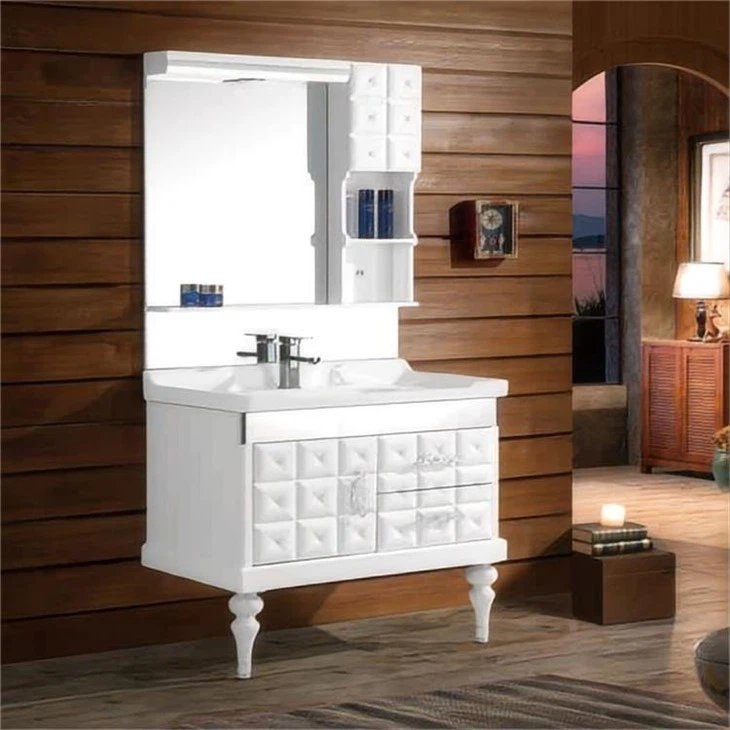

If you're interested in learning more about our high-end vanity units or have any questions about mixing and matching components, please don't hesitate to contact us. We'd be happy to help you create the bathroom of your dreams.
References
- Bathroom Design Trends. (Year). Retrieved from [Website Name]
- Vanity Unit Installation Guide. (Year). Retrieved from [Website Name]
- High-End Bathroom Fixtures: A Buyer's Guide. (Year). Retrieved from [Website Name]