

Do plywood bathroom vanities warp easily?
Plywood is a popular material for bathroom vanities due to its cost - effectiveness, versatility, and relatively good strength. However, one common concern among homeowners and contractors is whether plywood bathroom vanities warp easily. As a plywood bathroom vanity supplier, I've had numerous discussions with customers about this issue, and in this blog, I'll delve into the factors that contribute to warping and offer insights on how to prevent it.
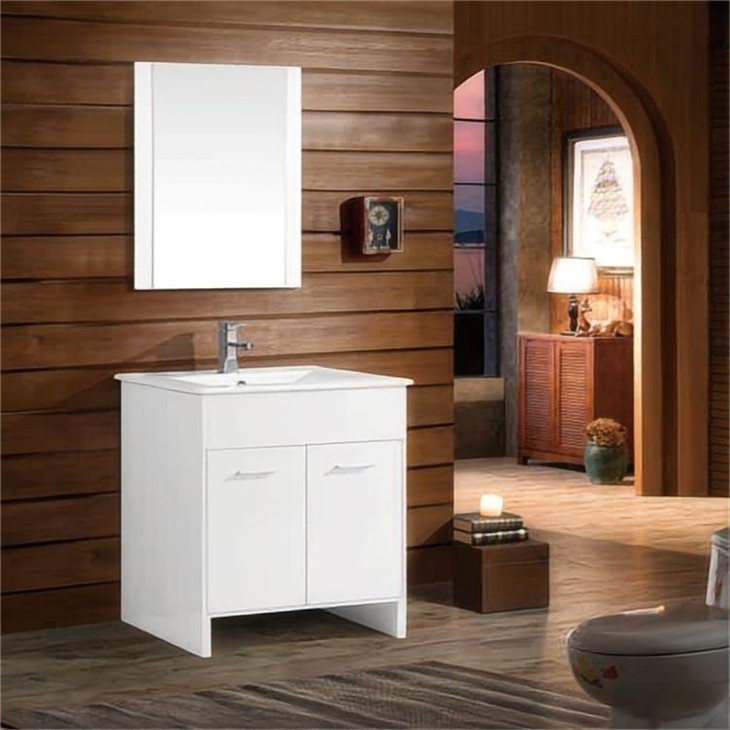

Understanding Plywood
Before we can discuss warping, it's important to understand what plywood is. Plywood is made by gluing together thin layers of wood veneer, with each layer's grain direction typically perpendicular to the adjacent layer. This cross - graining construction gives plywood its strength and stability compared to solid wood. There are different types of plywood, including softwood plywood, hardwood plywood, and marine plywood, each with its own characteristics and applications.
Factors Contributing to Warping
- Moisture Exposure
The bathroom is a high - humidity environment, and excessive moisture is the primary culprit behind plywood warping. When plywood absorbs moisture, the wood fibers swell. If the moisture is not evenly distributed across the plywood, some areas will swell more than others, causing the material to warp. For example, if water spills on one side of the vanity and is not promptly cleaned up, that side will absorb more moisture and start to bulge, leading to warping. - Quality of Plywood
Not all plywood is created equal. Low - quality plywood may have issues with the glue used to bond the veneers or may be made from inferior wood. Inferior glue can break down over time, especially in a high - humidity environment, causing the layers of the plywood to separate and warp. Additionally, if the wood veneers are of poor quality, they may be more prone to absorbing moisture and warping. - Installation and Support
Improper installation can also lead to warping. If the vanity is not properly supported, it may sag or warp under its own weight or the weight of items placed on it. For instance, if the vanity is not level during installation, the stress on the plywood will be unevenly distributed, increasing the likelihood of warping. Also, if the vanity is not attached securely to the wall or floor, it may move and flex, causing the plywood to warp over time. - Temperature Changes
Extreme temperature changes can also affect plywood. In a bathroom, the temperature can fluctuate significantly, especially if there is a hot shower every day. When the temperature rises, the plywood expands, and when it cools, it contracts. If these temperature changes are rapid and extreme, the plywood may not be able to adjust properly, leading to warping.
Preventing Warping
- Choose the Right Plywood
As a supplier, I always recommend using high - quality plywood for bathroom vanities. Marine plywood is an excellent choice as it is specifically designed to resist moisture. It is made with a waterproof glue that can withstand high humidity and occasional water exposure. Another option is to use plywood that has been treated with a water - resistant finish at the factory. - Apply a Protective Finish
Applying a protective finish to the plywood can significantly reduce its susceptibility to moisture. There are various types of finishes available, such as paint, varnish, or waterproof sealant. A good quality paint or varnish can create a barrier that prevents moisture from penetrating the plywood. Before applying the finish, make sure the plywood is clean and dry. Multiple coats of the finish may be required for maximum protection. - Proper Installation
Ensure that the vanity is installed correctly. Use a level to make sure it is perfectly horizontal and vertical. Provide adequate support for the vanity, especially if it is a large or heavy one. Secure the vanity to the wall and floor using appropriate hardware. If necessary, use additional support brackets to distribute the weight evenly. - Maintain a Dry Environment
In the bathroom, it's important to keep the environment as dry as possible. Use a ventilation fan during and after showers to remove excess moisture from the air. Wipe up any water spills immediately to prevent the plywood from absorbing moisture. Consider using a dehumidifier in the bathroom, especially in areas with high humidity.
Our Product Offerings
As a supplier of plywood bathroom vanities, we offer a wide range of products to meet different customer needs. Our Wash Basin Side Cabinet is a popular choice. It is made from high - quality plywood and features a stylish design that can complement any bathroom decor. The cabinet is designed to provide ample storage space while being resistant to warping.
We also have the Sintered Stone Bathroom Vanity. The sintered stone top not only adds a touch of elegance to the vanity but also provides a durable and water - resistant surface. The plywood used in this vanity is of the highest quality, ensuring long - term stability and resistance to warping.
For those who prefer a more luxurious look, our Black Marble Sink Top is a great option. The black marble top is paired with a sturdy plywood base that is designed to withstand the rigors of a bathroom environment.
Conclusion
While plywood bathroom vanities can warp, it is not an inevitable problem. By understanding the factors that contribute to warping and taking appropriate preventive measures, you can ensure that your plywood vanity remains in good condition for many years. As a supplier, we are committed to providing high - quality plywood bathroom vanities that are designed to resist warping. If you are in the market for a new bathroom vanity, we invite you to contact us for more information and to discuss your specific needs. We can help you choose the right vanity for your bathroom and provide guidance on installation and maintenance to prevent warping.
References
- "Wood Handbook: Wood as an Engineering Material", U.S. Department of Agriculture, Forest Service, Forest Products Laboratory.
- "Understanding Plywood", National Wood Flooring Association.
- "Moisture and Wood", Wood Technology Research and Extension, Oregon State University.