

How do I choose the right countertop for my bath vanity unit?
When it comes to designing or renovating a bathroom, one of the most crucial decisions you'll make is choosing the right countertop for your bath vanity unit. As a supplier of Bath Vanity Units, I've witnessed firsthand the impact that a well - selected countertop can have on the overall look, functionality, and durability of a bathroom. In this blog post, I'll share some key factors to consider when making this important choice.
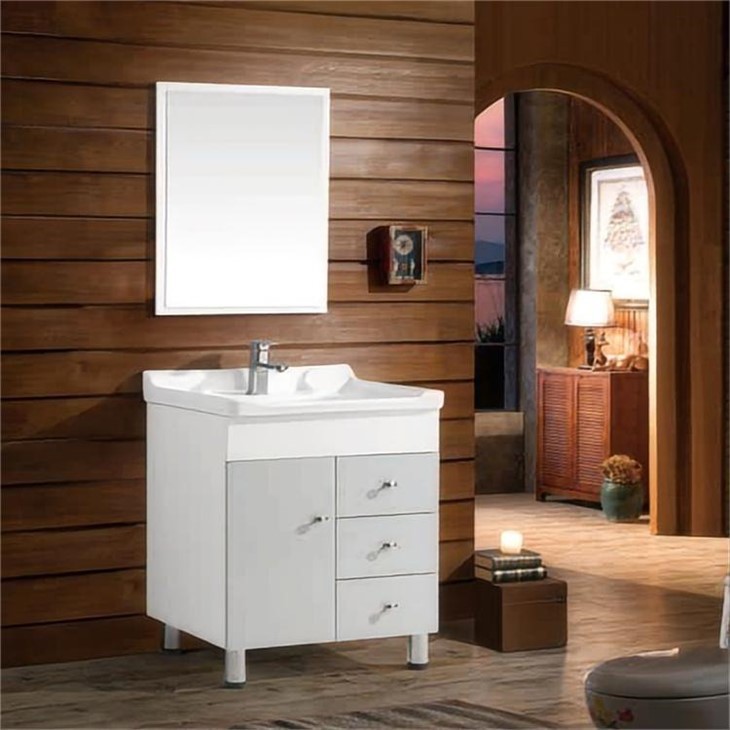
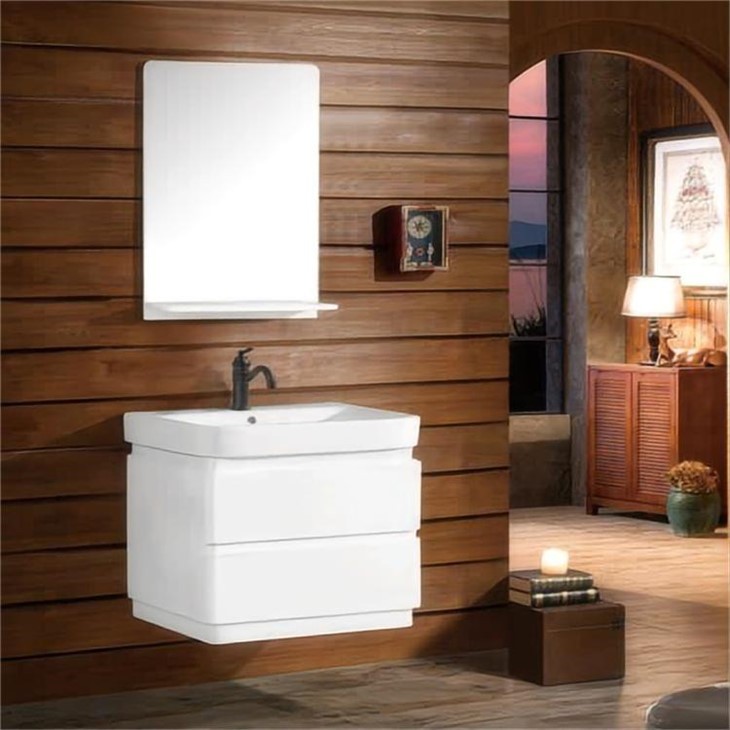
1. Material Selection
The material of the countertop is the foundation of your decision. Different materials offer distinct advantages and drawbacks, so it's essential to understand each option thoroughly.
Natural Stone
Natural stone countertops, such as granite, marble, and quartzite, are a popular choice for bath vanity units. They exude luxury and elegance, with unique veining and patterns that can add a touch of sophistication to any bathroom. Granite is known for its durability and resistance to scratches and heat, making it a practical choice for a high - traffic area like a bathroom. Marble, on the other hand, is renowned for its timeless beauty but is more porous and requires regular sealing to prevent staining. You can explore a wide range of Natural Stone Vanity options that combine the allure of natural stone with the functionality of a vanity unit.
Engineered Stone
Engineered stone, also known as quartz countertops, is a man - made alternative to natural stone. It is composed of crushed quartz crystals bound together with resins, resulting in a non - porous, stain - resistant surface. Quartz countertops are available in a variety of colors and patterns, offering a consistent and uniform appearance. They are also highly durable and require minimal maintenance, making them a popular choice for busy households.
Solid Surface
Solid surface countertops are made from a combination of acrylic and polyester resins, along with pigments and fillers. They are seamless, which means there are no joints or seams where dirt and bacteria can accumulate. Solid surface materials can be molded into various shapes and designs, allowing for a customized look. They are also relatively easy to repair if scratched or damaged.
Laminate
Laminate countertops are a budget - friendly option that comes in a wide range of colors and patterns. They are made by bonding a layer of plastic laminate to a particleboard or plywood substrate. While laminate is not as durable as other materials, it can still provide a functional and attractive surface for a bath vanity unit. However, it is more prone to scratching and chipping, and the edges may delaminate over time.
2. Style and Design
The style of your countertop should complement the overall design of your bathroom. Consider the following factors when choosing a style:
Color
The color of the countertop can have a significant impact on the mood and atmosphere of the bathroom. Light - colored countertops can make a small bathroom appear more spacious and airy, while dark - colored countertops can add a sense of drama and sophistication. You can also choose a countertop color that coordinates with the cabinets, walls, and flooring of the bathroom.
Edge Profile
The edge profile of the countertop can enhance its appearance and provide a finished look. There are several types of edge profiles to choose from, including straight, beveled, ogee, and bullnose. Each profile has its own unique style and can add a touch of elegance or modernity to the vanity unit.
Sink Integration
The type of sink you choose to pair with the countertop is also an important consideration. There are three main types of sink installations: undermount, drop - in, and vessel sinks. Undermount sinks are installed beneath the countertop, creating a seamless and easy - to - clean surface. Drop - in sinks are placed into a pre - cut hole in the countertop, while vessel sinks sit on top of the countertop, adding a decorative element to the bathroom. For a classic and elegant look, you might consider a Marble Top Vanity Basin, which combines the beauty of marble with a functional basin.
3. Functionality and Durability
A bathroom countertop needs to withstand daily use, including water, soap, and cosmetics. Therefore, functionality and durability are key factors to consider.
Resistance to Water and Stains
Since bathrooms are wet environments, the countertop material should be resistant to water and stains. As mentioned earlier, natural stone countertops require regular sealing to maintain their stain - resistance, while engineered stone and solid surface materials are inherently non - porous and more resistant to staining.
Scratch and Impact Resistance
The countertop should be able to withstand scratches and impacts from everyday use. Granite and engineered stone are known for their high scratch and impact resistance, while laminate and solid surface materials are more prone to scratching.
Maintenance Requirements
Different materials have different maintenance requirements. Natural stone countertops need to be sealed regularly, while engineered stone and solid surface materials require only occasional cleaning with mild soap and water. Laminate countertops may need to be cleaned more frequently to prevent dirt and grime from building up.
4. Budget
Your budget will play a significant role in determining the type of countertop you can afford. Natural stone and engineered stone countertops are generally more expensive than laminate and solid surface materials. However, it's important to consider the long - term value and durability of the countertop when making a budget decision. A higher - quality countertop may cost more upfront but can save you money in the long run by requiring less maintenance and replacement.
5. Compatibility with the Vanity Unit
The countertop should be compatible with the size and style of the vanity unit. Make sure the countertop is the right size and shape to fit the vanity cabinet, and that it is installed correctly to ensure a secure and stable fit. You may also want to consider a Wash Basin Side Cabinet to provide additional storage space and complement the countertop and vanity unit.
In conclusion, choosing the right countertop for your bath vanity unit requires careful consideration of material, style, functionality, budget, and compatibility. By taking the time to research your options and understand your needs, you can select a countertop that will enhance the beauty and functionality of your bathroom for years to come.
If you're interested in purchasing a bath vanity unit or need more information about countertop options, please don't hesitate to contact us for a procurement discussion. We're here to help you make the best choice for your bathroom project.
References
- "Bathroom Design: A Complete Guide." Home Design Magazine, 2023.
- "Countertop Materials: Pros and Cons." Building Materials Journal, 2022.
- "Choosing the Right Vanity Countertop." Interior Design Today, 2021.