

How do I choose the right sink for a floating glass vanity?
When it comes to designing a modern and stylish bathroom, a Floating Glass Vanity can be a game - changer. As a Floating Glass Vanity supplier, I understand the importance of choosing the right sink to complement this elegant piece of furniture. In this blog, I'll share some insights on how to select the perfect sink for your floating glass vanity.
1. Consider the Style and Design
The first step in choosing a sink for your floating glass vanity is to think about the overall style of your bathroom. Floating glass vanities are known for their sleek and contemporary look. You'll want a sink that matches this aesthetic.
If you're going for a minimalist style, a wall - mounted sink is an excellent choice. These sinks are attached directly to the wall, creating a clean and uncluttered appearance. They are often made of materials like porcelain or ceramic, which can be found in a variety of white and neutral colors, perfect for a minimalist bathroom. You can check out our Floating Glass Vanity collection to get some inspiration on how a wall - mounted sink can enhance the look.
On the other hand, if you prefer a more industrial style, an undermount sink might be the way to go. Undermount sinks are installed beneath the countertop, giving a seamless and sophisticated look. They work well with floating glass vanities in an industrial - themed bathroom. You can explore our Industrial Style Bathroom Cabinet section to see how undermount sinks can be incorporated into an industrial - style setup.
2. Size and Proportion
The size of the sink is crucial when it comes to a floating glass vanity. You need to ensure that the sink fits proportionally with the vanity. A sink that is too large can overwhelm the floating glass vanity, while a sink that is too small may look out of place.
Measure the dimensions of your floating glass vanity carefully. Consider the width, length, and depth of the countertop. For a standard - sized floating glass vanity, a sink with a width of around 18 - 24 inches is usually a good fit. However, if you have a larger vanity, you can opt for a wider sink.
It's also important to think about the depth of the sink. A deeper sink can be more practical for tasks like washing your face or filling a bucket, but it may also require more countertop space. Shallow sinks, on the other hand, can give a more modern and open look.
3. Material and Durability
The material of the sink plays a significant role in its durability and maintenance. Different materials have different properties, so it's essential to choose one that suits your needs.
Porcelain and ceramic sinks are popular choices. They are relatively inexpensive, easy to clean, and come in a wide range of colors and styles. However, they can be prone to chipping and cracking if not handled carefully.
Stainless steel sinks are another option. They are extremely durable, resistant to corrosion, and easy to maintain. Stainless steel sinks have a modern and industrial look, making them a great fit for floating glass vanities in contemporary bathrooms.
Acrylic sinks are lightweight, affordable, and come in various shapes and colors. They are also resistant to stains and scratches. However, they may not be as durable as porcelain or stainless steel in the long run.
If you're looking for a more luxurious option, granite or marble sinks can add a touch of elegance to your floating glass vanity. These natural stone sinks are highly durable and have a unique, high - end look. But they can be more expensive and require more maintenance, such as regular sealing to prevent staining. You can also find some inspiration on different sink materials when exploring our Solid Wood Vanity Units For Bathrooms collection, where different sink - material combinations are often used.
4. Functionality
Functionality is an important aspect to consider when choosing a sink for your floating glass vanity. Think about how you'll be using the sink on a daily basis.
If you have a large family or frequently wash your hands, a sink with a larger basin may be more practical. You'll also want to consider the shape of the sink. Rectangular sinks are more common and provide a larger surface area for washing, while oval or round sinks can add a softer and more decorative touch.
The faucet placement is another functional consideration. Make sure there is enough space on the countertop for the faucet and that it is positioned in a way that allows for easy use. Some sinks come with pre - drilled holes for faucets, while others may require you to have the holes drilled during installation.
5. Installation
The installation process of the sink is also something to keep in mind. Wall - mounted sinks are generally easier to install compared to undermount or drop - in sinks. Wall - mounted sinks usually come with mounting brackets that can be attached directly to the wall studs.
Undermount sinks require more precise installation as they need to be securely attached beneath the countertop. This may involve using special adhesives or clips. Drop - in sinks, which are placed into a cut - out in the countertop, are also relatively straightforward to install but may require some caulking around the edges to prevent water leakage.
If you're not confident in your DIY skills, it's advisable to hire a professional plumber to install the sink. This will ensure that the sink is installed correctly and that there are no issues with water leakage or instability.
6. Budget
Your budget will ultimately play a role in your sink selection. Sinks can range in price from relatively inexpensive acrylic or porcelain models to high - end granite or marble ones.
Set a budget for your sink purchase and look for options that fit within that budget. Keep in mind that the cost of the sink is not the only expense. You'll also need to factor in the cost of installation, faucet, and any additional accessories.
It's possible to find a high - quality sink that fits your budget and complements your floating glass vanity. By comparing different brands and materials, you can make an informed decision that meets both your aesthetic and financial needs.
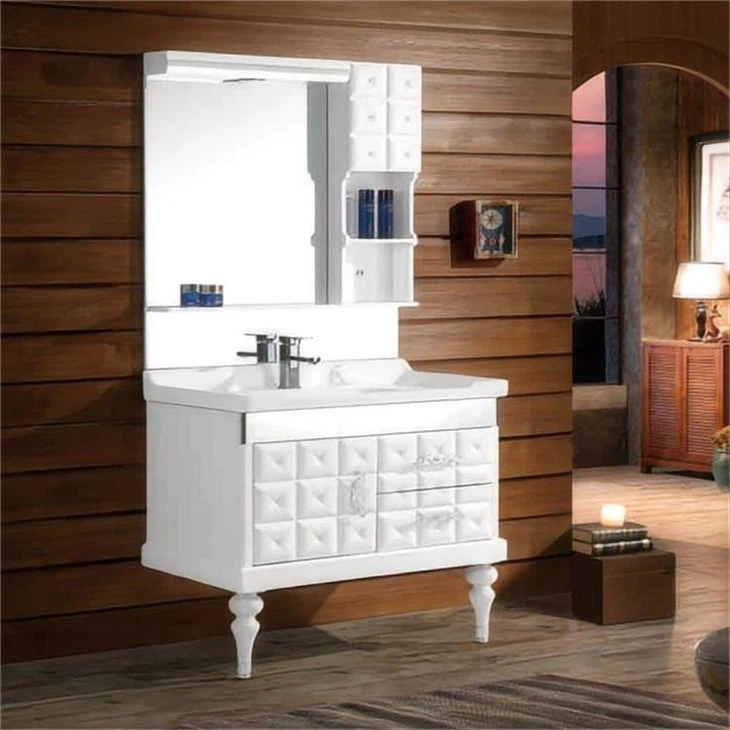

In conclusion, choosing the right sink for a floating glass vanity involves considering multiple factors such as style, size, material, functionality, installation, and budget. As a Floating Glass Vanity supplier, I'm here to help you make the best choice for your bathroom. Whether you're renovating an existing bathroom or building a new one, finding the perfect sink for your floating glass vanity can transform the look and functionality of your space.
If you're interested in our Floating Glass Vanity products or have any questions about sink selection, please feel free to reach out to us for a procurement discussion. We're eager to assist you in creating the bathroom of your dreams.
References
- "Bathroom Design Trends: Sinks and Vanities" by Bathroom Design Magazine
- "The Ultimate Guide to Sink Materials" by Home Improvement Today
- "Installing Sinks: Tips and Tricks" by Plumbing Professional Journal