

How to prevent mold growth on a Black Marble Sink Top?
Mold growth on black marble sink tops can be a persistent and unsightly problem. As a supplier of high - quality Black Marble Sink Tops, I understand the importance of maintaining the beauty and functionality of these elegant fixtures. In this blog, I'll share some effective strategies to prevent mold from taking over your black marble sink top.
Understanding the Causes of Mold Growth
Before we delve into prevention methods, it's crucial to understand what causes mold to grow on black marble sink tops. Mold thrives in damp, warm, and dark environments. Black marble sink tops in bathrooms are often exposed to high humidity levels due to daily activities such as showering and hand - washing. The porous nature of marble can also absorb water, creating an ideal breeding ground for mold spores.
Keep the Sink Top Dry
One of the most straightforward ways to prevent mold growth is to keep the sink top dry. After each use, use a soft, dry cloth to wipe down the entire surface of the sink top. Pay special attention to the areas around the faucet, drain, and any crevices where water might accumulate. By removing excess moisture promptly, you can significantly reduce the chances of mold taking hold.
If possible, leave the bathroom door open after using the sink to allow air to circulate and help dry the area more quickly. You can also use a small fan to improve air movement in the bathroom. This will not only help keep the sink top dry but also reduce overall humidity levels in the room.
Regular Cleaning
Regular cleaning is essential for preventing mold growth on black marble sink tops. Use a mild, pH - neutral cleaner specifically formulated for marble surfaces. Avoid using abrasive cleaners, acidic substances (such as vinegar or lemon juice), or harsh chemicals, as these can damage the marble and make it more susceptible to mold.
To clean the sink top, dampen a soft sponge or cloth with the cleaner and gently wipe the surface in a circular motion. Pay close attention to areas where dirt, soap scum, and mold are likely to accumulate. Rinse the sponge or cloth frequently and change the cleaning solution if it becomes dirty. After cleaning, rinse the sink top thoroughly with clean water and dry it with a soft cloth.
Seal the Marble
Sealing the black marble sink top is an effective way to protect it from water penetration and mold growth. A good quality marble sealer creates a protective barrier on the surface of the marble, preventing water and other liquids from seeping into the pores.
Before applying the sealer, make sure the sink top is clean and dry. Follow the manufacturer's instructions carefully when applying the sealer. Usually, you'll need to apply the sealer evenly using a clean, soft cloth or a sponge. Allow the sealer to penetrate the marble for the recommended amount of time, and then wipe off any excess.
It's recommended to seal the marble sink top at least once a year, or more frequently if it's used heavily. Regular sealing will help maintain the integrity of the marble and keep it looking its best.
Control Humidity Levels
As mentioned earlier, high humidity is a major contributor to mold growth. To control humidity levels in the bathroom, consider installing a ventilation fan. A ventilation fan can remove moist air from the bathroom and replace it with fresh, dry air. Make sure the fan is properly sized for the bathroom and is vented to the outside.
You can also use a dehumidifier in the bathroom, especially if you live in a humid climate or if your bathroom doesn't have good ventilation. A dehumidifier will help remove excess moisture from the air, creating a less favorable environment for mold growth.
Avoid Leaving Standing Water
Leaving standing water on the black marble sink top for extended periods is a recipe for mold growth. Make sure to empty any water that collects in the sink after use. If you notice any leaks in the faucet, pipes, or drain, repair them promptly to prevent water from pooling on the sink top.
Use Mold - Resistant Products
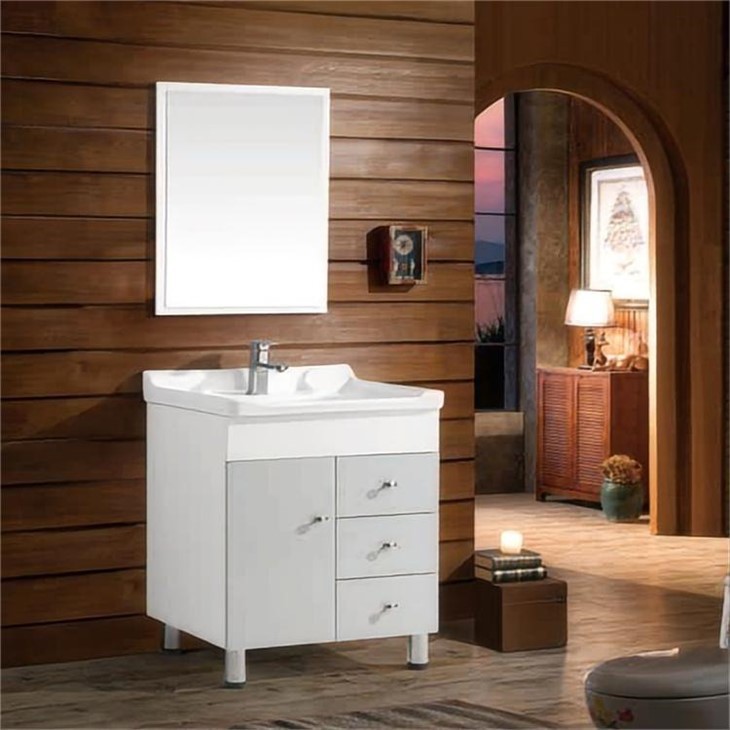
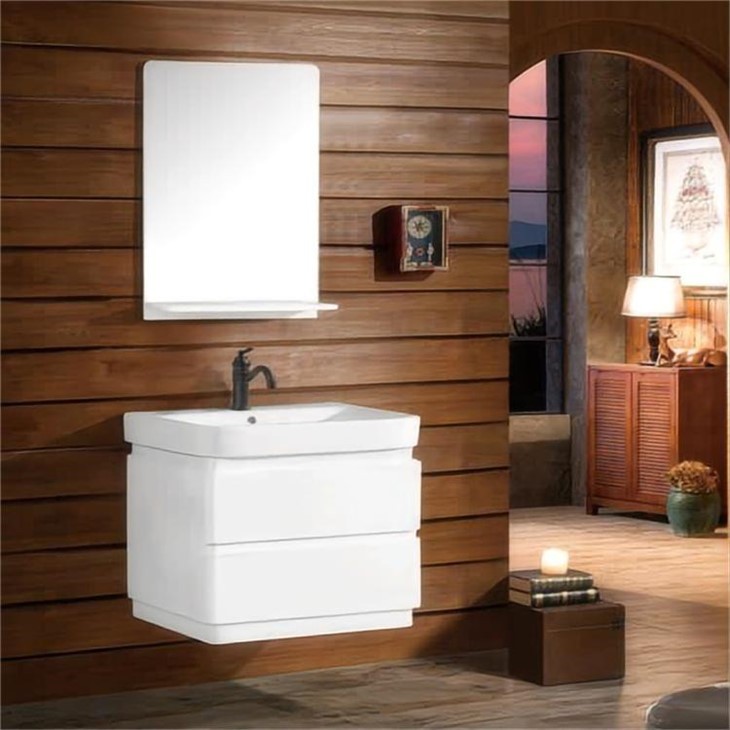
When choosing products for your bathroom, consider using mold - resistant options. For example, you can install a Wash Basin Side Cabinet made from materials that are less likely to support mold growth. Additionally, a Marble Top Vanity Basin or a Sintered Stone Bathroom Vanity can be a great choice as they are often more resistant to moisture and mold compared to other materials.
Inspect Regularly
Regular inspections of the black marble sink top are important for early detection of mold growth. Look for any signs of discoloration, musty odors, or visible mold on the surface. If you notice any issues, take action immediately to prevent the mold from spreading.
Conclusion
Preventing mold growth on a black marble sink top requires a combination of proper maintenance, cleaning, and humidity control. By following the tips outlined in this blog, you can keep your black marble sink top looking beautiful and free from mold for years to come.
As a supplier of Black Marble Sink Tops, I'm committed to providing high - quality products and relevant information to our customers. If you're interested in purchasing our black marble sink tops or have any questions about mold prevention or other related topics, please feel free to contact us for further discussion and procurement negotiation.
References
- "Marble Care and Maintenance Guide" - Stone Industry Association
- "Mold Prevention in Bathrooms" - Environmental Protection Agency
- "The Science of Mold Growth" - Journal of Indoor Air Quality Research